
A shower head water filter screws onto the shower arm and reduces chlorine, and some models reduce certain metals. It does not soften hard water, so it will not stop scale on your glass or your fixtures. If your concern is skin, hair or the smell of chlorine, a filter can help. If your concern is scale, look at a softener.
We install shower filters and whole house systems in Highland. A plumber can help you choose the right one.
What Shower Filters Do and Do Not Do
Different media treat different problems.
| Filter media | Reduces | Does not reduce |
|---|---|---|
| Carbon | Chlorine taste and odor | Hardness minerals. |
| KDF | Chlorine and some metals | Hardness. |
| Vitamin C | Chlorine and chloramine | Hardness. |
| Ion exchange cartridge | Some hardness | Heavy, ongoing replacement. |
Hot water reduces the efficiency of some media, so check the temperature range of any filter you buy.
Chlorine, Skin and Hair
Chlorine and chloramine are used to disinfect water. Some people find them drying to skin and hair. A shower filter can reduce them at the point of use, and that is the case for buying one.
Filters need replacement on a schedule. A clogged filter reduces flow, and an old filter can stop working without any visible sign.
Want a Better Shower?
Call (909) 505-3225 and a plumber can recommend a filter or a whole house option.
Call (909) 505-3225Highland Water Facts
East Valley Water District's 2026 Consumer Confidence Report lists average hardness at 152 mg/L, and the district supplies water from groundwater and from the State Water Project and Santa Ana River sources. The report is the right place to see what is in your water. A tap test confirms what arrives at your shower.
If scale is the issue, white crust on the shower head and glass is the sign. A shower filter will not stop it, and a softener will. See water softener and filtration.
Shower filter claims should be backed by testing to NSF/ANSI standards, according to the certification the maker lists, so look for the mark and read which contaminants it covers.
When to Choose a Softener Instead
A shower filter covers one outlet. A softener treats the whole house, and protects your water heater and fixtures as well. If you rent, a shower filter is easy to move.
A hybrid approach works well: a softener for hardness and a small carbon filter at the shower for chlorine. We install fixtures too, see plumbing installation, and this site covers Mentone and Redlands.
How to Pick a Shower Filter
A few checks keep you from buying the wrong one.
Check what it reduces
Look for chlorine and chloramine claims, and for independent testing.
Check the temperature range
Hot showers can reduce carbon performance.
Check the flow rate
Aim for a rate that keeps your pressure.
Check the cartridge price
Replacement cost matters over a year.
Check the fit
Standard threads fit most shower arms.
What a Filter Will Not Do for Your Water Heater
A shower filter treats water only at the shower. It does nothing for the heater, the washing machine or the kitchen tap. If your tank heater is noisy or your dishes spot, hardness is the cause, and a softener treats it.
Think of the filter as a comfort item for one outlet and a softener as protection for the home. Many households use both.
A Note on Skin and Hair
People report a difference in dryness after using a carbon filter, but results vary with your skin, your products and your water. If you have a skin condition, ask a doctor and not a plumber.
What a plumber can tell you is whether your water has chlorine, whether your pressure supports a filter and whether the shower arm can carry the weight.
Installing a Shower Filter Step by Step
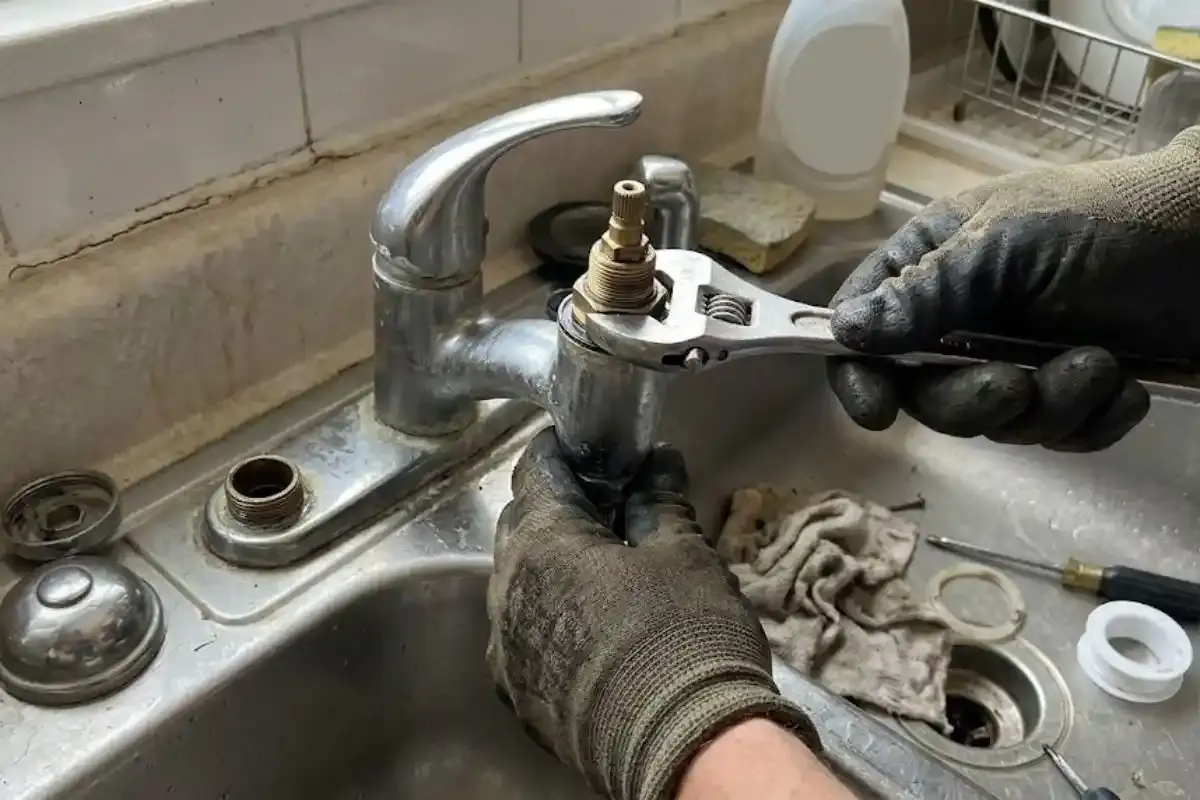
Unscrew the old shower head with your hand or a wrench wrapped in a cloth to protect the finish. Clean the threads on the shower arm. Wrap the threads with two or three turns of plumber's tape in the direction of the threads.
Screw on the filter by hand, then add the shower head. Run hot water for a minute to flush the cartridge and check for leaks at the joints. If a joint drips, remove it, dry the threads and rewrap the tape.
How Long a Cartridge Lasts
Cartridge life depends on how much water passes through it and how warm the water is. Many makers suggest replacement every few months. If you notice a chlorine smell returning, or the flow slows, it is time to replace.
Mark the install date on the filter with a marker. Keep a spare cartridge on hand so you are never tempted to run the filter past its life.
Pressure and Flow Questions
Many filters reduce flow a little, and a clogged cartridge reduces it more. If your shower pressure was already weak, a filter can make it feel worse. Check your home pressure with a gauge on a hose bib before you decide.
A pressure regulator that is set too low is a fixable problem, and so is scale in a shower arm. Our leak detection page covers other causes of low pressure, since a hidden leak can lower flow at every fixture.
Installation and Care
Most shower filters need no tools. Remove the old shower head, wrap the threads with plumber's tape, attach the filter and the head and run water to flush the cartridge. Replace the cartridge on the maker's schedule.
If the shower arm is loose or leaks at the wall, stop and call a plumber. Over tightening can crack the fitting inside the wall.
Frequently Asked Questions
No. It reduces chlorine, but not hardness.
Follow the maker's schedule, usually every few months.
Some do, especially when clogged.
The district publishes an annual Consumer Confidence Report with its results.
Yes. See San Bernardino.